
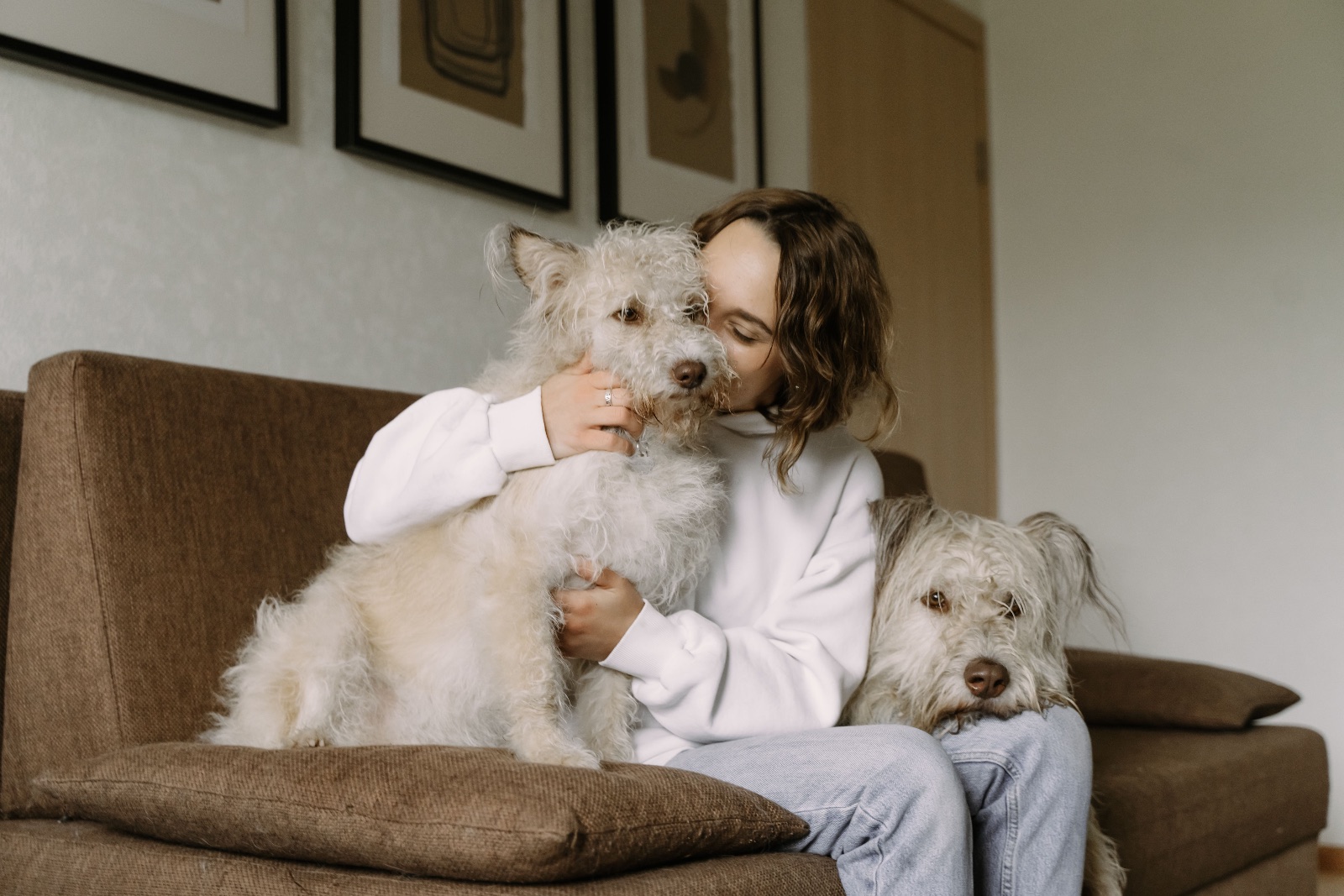
How to Choose a Pet Sitter in Dayton, Nevada: 10 Questions to Ask
Searching for a pet sitter in Dayton, Nevada involves more than finding someone who loves animals and happens to be available on the dates you need.
You're choosing someone who may have access to your home, care for animals who cannot tell you how their visit went, administer agreed-upon medications, follow detailed routines, and potentially make decisions when you're hundreds of miles away.
That deserves a little homework.
Dayton pet owners may also have needs that go beyond a typical dog-and-cat household. Some homes have multiple pets, acreage, horses, chickens, livestock, gates, outdoor enclosures, or routines that require someone comfortable with more than one species.
So how do you decide who is the right fit?
There isn't one credential, review, or interview question that guarantees a particular sitter is right for your animals.
Instead, look at the whole picture.
Here are 10 questions to ask when choosing a pet sitter in Dayton, Nevada.
1. What Experience Do You Have With Pets Like Mine?
Start with your own animals.
A sitter can have plenty of pet-care experience and still not have experience that matches your household.
Ask about experience with:
- Dogs
- Cats
- Senior animals
- Puppies or kittens
- Shy or fearful pets
- Multi-pet households
- Birds
- Reptiles
- Horses
- Farm animals
- Pets requiring medication
- Animals with detailed feeding routines
If you have a large dog, ask about experience handling large dogs.
If you have horses, ask about horse experience.
If you have a bird or reptile, don't assume every pet sitter understands the care involved simply because they offer pet sitting.
The question isn't just:
"How long have you been pet sitting?"
A better question is:
"What experience do you have caring for animals with needs similar to mine?"
2. Are You Operating as a Professional Pet-Care Business?
Pet owners have many options for finding care.
You may ask a friend, neighbor, family member, occasional sitter, or professional pet-care business.
Those arrangements aren't interchangeable.
If you're specifically looking for a professional pet sitter, ask how the business operates.
Questions may include:
- Do you operate as a business?
- Do you carry any required state or local business licenses?
- Are you insured?
- Are you bonded?
- Do you use a written service agreement?
- Do you have established policies and procedures?
- Do you belong to a professional pet-care organization?
- Have you completed pet-care education or training?
Pet Sitters International recommends that owners ask about business licensing where required, insurance and bonding, references, service agreements, training, and professional affiliations when interviewing a pet sitter.
Credentials alone don't guarantee that someone will be the right caregiver for your animals.
They do, however, give you additional information about how seriously a provider approaches the business side of caring for pets and entering clients' homes.
3. Are You Insured and Bonded, and What Does That Mean?
You'll often see pet-care businesses describe themselves as insured and bonded.
Don't be afraid to ask what that actually means.
Pet-sitting liability insurance is designed for risks associated with providing professional pet-care services. Bonding is a separate protection and may apply to circumstances covered under the provider's particular bond.
Coverage can vary by provider and policy.
Rather than treating "insured and bonded" as a marketing phrase, ask:
- Are you currently insured?
- Are you bonded?
- Can you provide evidence of coverage?
- Does your coverage apply to the services you're providing for me?
You don't need to become an insurance expert.
You're simply verifying that the business has taken steps to address risks associated with professional pet care.
4. Can We Have a Meet-and-Greet Before I Book?
This is one of the most useful parts of choosing an in-home sitter.
Pet Sitters International recommends an in-person meeting with a potential sitter, and Nevada Humane Society also suggests asking whether you can schedule a meet-and-greet before booking.
Why?
Because a website and a phone conversation can't show you everything.
A meet-and-greet gives you an opportunity to see how the sitter interacts with your animals and allows the sitter to understand the actual care environment.
Show them:
- Where food is stored
- How your pets are fed
- Where litter boxes are located
- How doors and gates work
- Where leashes and carriers are kept
- Where medications are stored
- Which animals need to be separated
- Your pet's normal bathroom routine
- Any hiding places a cat commonly uses
- Any unusual features of the property
For a rural or multi-species property, that walkthrough may also include barns, stalls, paddocks, chicken coops, gates, water sources, feed storage, and other animal-care areas.
Pay attention to the questions the sitter asks, too.
A good consultation should be a two-way conversation.
5. How Will You Learn My Pet's Routine?
"Feed the dog twice a day" isn't much of a care plan.
Your sitter may need to know:
- What time your pet normally eats
- How much they receive
- Where they eat
- Whether pets must eat separately
- Bathroom routines
- Litter-box routines
- Medications
- Favorite activities
- Behavioral quirks
- Fears or triggers
- Areas that are off-limits
- How your pet behaves around doors and gates
- Where your cat may hide
- What is normal for your pet
The American Animal Hospital Association recommends providing sitters with detailed information about a pet's personality, behavior, medical needs, feeding, medications, activity, routines, and home logistics.
That's important because a change may be meaningful only when the caregiver knows what is normal.
If your cat normally meets you at the kitchen every morning but suddenly won't come out of the bedroom, that's information.
If your dog normally eats immediately but leaves breakfast untouched, that's information too.
A sitter can't recognize a change from normal if they don't know what normal looks like.
6. What Happens if Something Goes Wrong?
This is one of the most important questions you can ask.
Hopefully, your sitter will never need the emergency plan.
You still want one.
Ask:
- What happens if my pet becomes sick or injured?
- How will you contact me?
- What happens if you can't reach me?
- What veterinary information do you require?
- Do you require an emergency contact?
- What authorization should I leave for veterinary care?
- What happens if you have an emergency and cannot complete a scheduled visit?
- Do you have a backup-care procedure?
You should also provide your sitter with your veterinarian's contact information and information for an appropriate emergency veterinary facility.
AAHA recommends leaving veterinary contacts, emergency information, relevant medical details, and a local backup contact for a sitter.
For Dayton-area households, emergency planning may involve more than veterinary care.
Depending on your property and the time of year, it may also be useful to discuss:
- Power outages
- Wildfire or smoke conditions
- Winter weather
- Road conditions
- Locked or malfunctioning gates
- Water issues
- Evacuation instructions
- Access to horses or livestock
You don't need a plan for every imaginable event.
You do need a clear answer to:
"What happens if the normal plan can't happen?"
7. How Do You Handle Access to My Home?
Hiring an in-home pet sitter is different from many other pet services because the caregiver may have access to your house when you're not there.
Ask how home access is handled.
Depending on your home, that might involve:
- Keys
- Keyless entry
- Garage codes
- Alarm systems
- Gates
- Lockboxes
- Rural property access
Ask who will have access to that information and whether anyone other than the person you're meeting may enter your home.
If the business has employees or additional sitters, ask how assignments work.
You should know who may be caring for your animals and entering your property.
Also tell your sitter about cameras or monitoring devices in the home and discuss any areas that are private or off-limits.
Home security shouldn't be an awkward subject.
It should be part of the professional conversation.
8. How Will I Know How My Pet Is Doing?
You shouldn't have to spend your vacation wondering whether anyone showed up.
Before booking, ask what kind of communication you'll receive.
That might include:
- A message after each visit
- Photos
- Notes about meals
- Bathroom or litter-box updates
- Medication confirmation
- Behavioral observations
- Updates through a client portal
Nevada Humane Society specifically recommends asking a potential pet sitter whether they will send regular updates.
Also ask what happens when something isn't normal.
A cute photo is wonderful.
But useful communication should also tell you what you actually need to know about your pet's care.
9. Do You Have References or Reviews?
Reviews can help you learn how other clients describe their experience with a pet-care provider.
Look beyond the star rating.
Read what people actually say.
Do reviews mention:
- Reliability?
- Communication?
- Following instructions?
- Care with animals?
- Professionalism?
- Repeat bookings?
- Handling unexpected situations?
Pet Sitters International recommends checking references when evaluating a sitter, and Nevada Humane Society also includes references among the questions owners should ask.
If a business is newer and has fewer online reviews, you can ask whether references are available.
One review shouldn't make your entire decision, positively or negatively.
Look for patterns.
10. Does This Sitter Fit My Animals?
This final question is the most personal.
A sitter can be licensed where required, insured, bonded, experienced, highly reviewed, and still not be the right match for every household.
Your animals matter.
Your routine matters.
The type of care you need matters.
Consider:
- Does the sitter seem comfortable with my animals?
- Does my pet appear reasonably comfortable with the interaction?
- Does the sitter listen when I explain the routine?
- Do they ask useful questions?
- Are they comfortable saying when something is outside their experience?
- Can they provide the visit frequency and duration my pets need?
- Do their services match my household?
- Do I understand their policies?
- Do I feel comfortable giving this person access to my home?
You aren't looking for a universal "best pet sitter."
You're looking for an appropriate caregiver for your animals and your household.
Don't Choose a Pet Sitter on Price Alone
Price is understandably part of the decision.
But it shouldn't be the only information you compare.
Two providers can quote different prices while offering very different services.
One price might include a 30-minute visit. Another could cover 60 minutes.
One sitter may care for two animals at the base rate while another prices each animal separately.
Overnight schedules can differ substantially.
Holiday policies, medication services, travel charges, cancellation terms, and included household tasks can differ too.
Before comparing prices, compare what you're actually purchasing.
Ask:
What care does my pet need, and what exactly is included in this service?
Then you can make a meaningful comparison.
A Simple Pet-Sitter Interview Checklist
Before hiring a pet sitter, consider asking:
- What experience do you have with animals like mine?
- Are you operating as a professional business?
- Do you carry required licenses for the services and areas you serve?
- Are you insured and bonded?
- Can we schedule a meet-and-greet?
- How do you document my pet's routine?
- How do you handle medications?
- What is your emergency procedure?
- What happens if you cannot complete a visit?
- How is home-access information handled?
- Who will actually enter my home?
- How will you update me?
- Can you provide references or reviews?
- Do you use a service agreement?
- What exactly is included in the price I'm being quoted?
You don't need to conduct an interrogation.
A professional consultation should naturally answer many of these questions.
Choosing a Pet Sitter in Dayton, Nevada
Living in Dayton can make the right pet-care arrangement particularly individual.
Some households have one cat.
Others have several dogs.
Some properties include horses, chickens, farm animals, acreage, barns, multiple gates, or care routines that can't simply be moved to another location.
That means the right sitter for one Dayton household may not be the right sitter for another.
Start with your animals.
Write down what actually needs to happen while you're away.
Then look for a caregiver whose experience, services, schedule, communication, and business practices fit those needs.
Choosing RNR Pet Care
At RNR Pet Care, we believe pet owners should ask these questions, including when they're considering us.
We provide professional in-home pet sitting for dogs, cats, birds, reptiles, horses, and farm animals in Dayton, Carson City, and select surrounding Northern Nevada areas.
Services include 30-minute visits, 60-minute visits, and 12-hour overnight care.
We're locally owned, licensed, bonded, insured, and a member of Pet Sitters International.
But those credentials aren't the only reason to choose a pet sitter.
We want to understand your animals, their normal routine, your property, and what needs to happen while you're away so you can decide whether RNR Pet Care is the right fit for your household.
If you're looking for a pet sitter in Dayton, Nevada, we'd be happy to learn more about the ones at your home.
Visit RNR Pet Care to learn more or request care.
RNR Pet Care
Caring for the ones at home.